A simple guide to customer journey mapping
Customers want more engagement from brands, it is what helps them build trust and loyalty. The stats don’t lie: 87% of consumers say a good experience increases their likelihood to buy more.” - Contentful.
Brands that fail to understand how their audiences interact across multiple touchpoints risk falling behind. This is where customer journey mapping becomes essential.
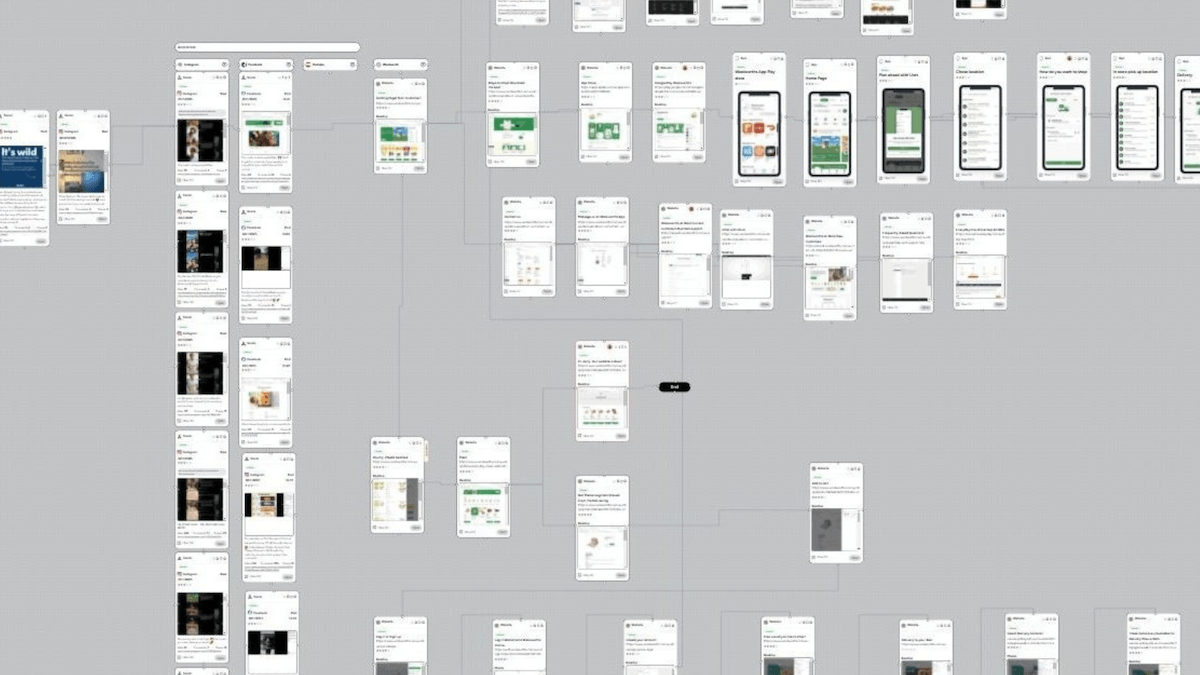
By visualising every step a customer takes - before, during, and after their interaction with your brand - you can identify gaps, improve the customer journey, and optimise conversion paths.
Here’s a simple guide to customer journey mapping and why it’s a game-changer for businesses looking to elevate their CX strategy.
1. Define your goals
Before you start mapping, work on some goals (as a team):
- Are you looking to increase conversions?
- Do you want to reduce friction in your buying process?
- Is customer retention your biggest challenge?
Setting clear objectives ensures your journey map aligns with your overall business and marketing strategy.
2. Build customer personas
To create an effective customer journey map, you need a deep understanding of your customers. You probably already have this, so review and tweak as needed.
- Demographics: Age, location, job role, and basic information about the person.
- Psychographics: Attitudes, aspirations, motivations.
- Pain Points: What challenges do they face?
By developing customer personas based on real data, you can ensure your mapping efforts are as accurate as possible.
3. Map out “Jobs to be Done” (JTBD)
What jobs do your personas have to get done, what language are they using to explain that job, problem/issue. Use that language when creating content and check throughout your interactions if that persona’s job to be done would have all the information they would need to feel like they could complete this task/ or action.
- Map JTBD for each persona
- Put yourself in that personas perspective throughout the rest of the exercise.
4. Identify key touchpoints
Touchpoints are all the ways a customer interacts with your brand, including:
- Website visits
- Social media engagement
- Customer support interactions
- Email communications
- In-store experiences
Break these touchpoints down into different stages:
- Awareness – when the customer first discovers your brand
- Consideration – when they research and compare options
- Purchase – the transaction process
- Retention – ongoing engagement and support
- Advocacy – turning customers into loyal brand ambassadors
Each stage should be mapped in detail to understand where bottlenecks or inefficiencies may exist.
5. Spot pain points and opportunities
Your map should highlight barriers preventing smooth customer interactions. Are there:
Confusing navigation paths on your website? Have certain customers in too many email campaigns (they lack personalisation to each experience)? Do you have broken links? Are the paid campaigns connecting to organic campaigns?
By recognising these weaknesses, you can prioritise improvements and create seamless customer experiences.
6. Iterate & Optimise
Customer behaviour is always evolving, so your journey map shouldn’t be a static document.
Use data-driven insights from analytics and customer feedback to refine your approach. A/B test different strategies to optimise key moments in the journey. Continuously monitor drop-off points and address them proactively.
In these moments you can identify changes that need to be made and connect with the right team within the business who can help you optimise or fix any items you have identified.
Final Thoughts
Customer journey mapping is a strategy for sustainable business growth. Brands that invest in understanding their customers can create personalised, frictionless experiences that drive loyalty and revenue.
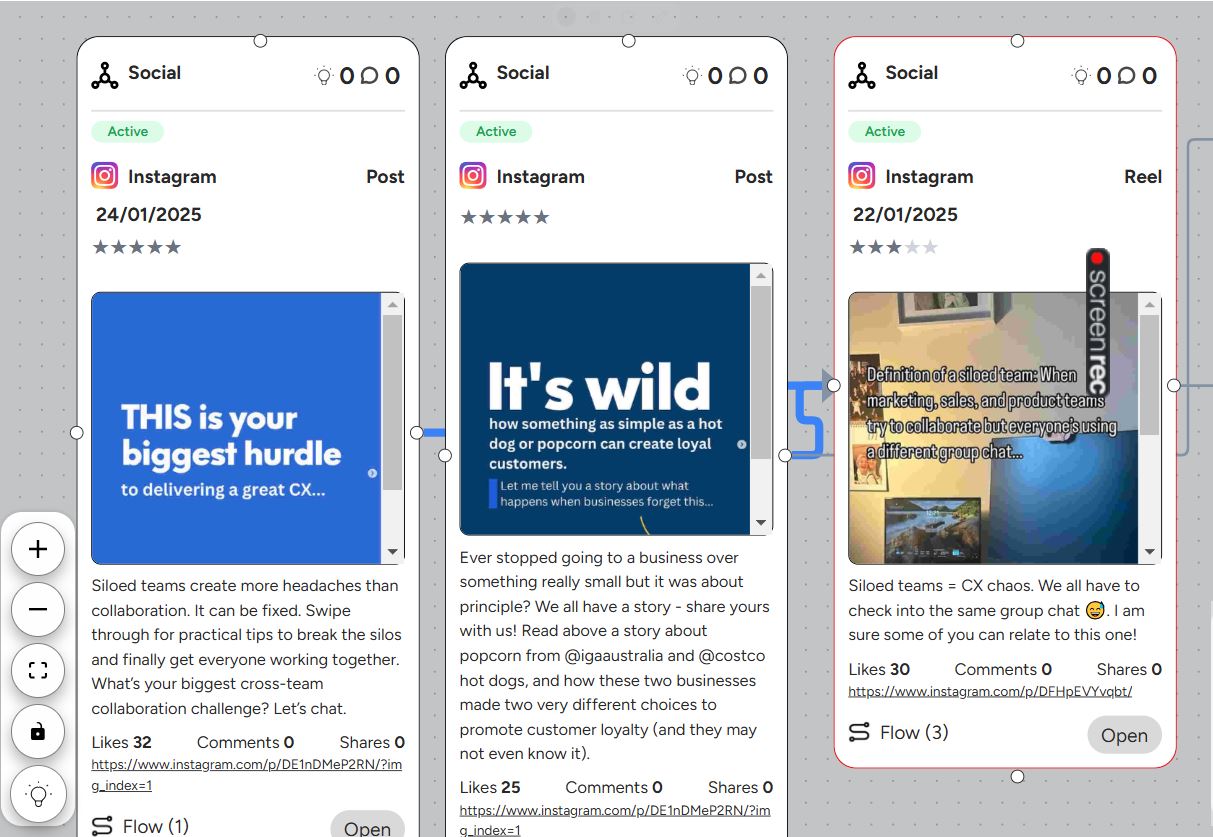
NOTE: MIRO boards can be a great way to map out the process, but this needs to be consistently updated as the journey evolves. Before Nevam, our Founder, Britt, had the same pain of never being able to track the customer journey automatically. She created Nevam to create one source of truth for the customer journey.
Related reading: 5 fundamental ways to improve customer retention and how to action them at scale · The hidden cost of untracked insights