This Friday night, our founder Brittany Fox took home the Innovator Award at the Women Leading Tech Awards by B&T, sponsored by Atlassian.



Sydney Recap
AI is no longer a future consideration. It is actively reshaping how customers discover, evaluate, and purchase.
In Sydney, we brought together leaders across brand, agency, and technology to discuss what it truly means to operate in a dual-audience world - where your next “customer” might be an autonomous agent.
The central question guiding the session was simple:
How do we design for humans and machines at the same time?
Below are the key insights that emerged.
1. AI is now a channel
Brittany Fox opened the session with a clear reframing: AI is not a feature, a threat, or a side experiment. It is a channel.
Like any channel, it has its own funnel, logic, and evaluation criteria. Content must now satisfy two audiences simultaneously:
- Does it convert a human?
- Can it be interpreted, verified, and recommended by a machine?
This shift demands a return to fundamentals. Brands must clearly articulate the Jobs to Be Done their customers are solving and ensure that their messaging answers those needs directly and unambiguously. AI systems prioritise clarity, structure, and consistency.
In this environment, implied value is invisible value.
2. We’ve navigated disruption before
Ruth Haffenden (CMO, Ex Flying Tiger and Boody) offered a valuable reminder: this is not the first transformation marketing has faced.
SEO, social media, digital transformation - each triggered market anxiety. In every instance, the brands that prevailed were those that strengthened fundamentals rather than chasing panic-driven tactics.
Today, that means confronting content debt.
Legacy messaging, outdated positioning, and fragmented brand narratives are no longer minor inefficiencies. They are liabilities. Large language models evaluate entire digital footprints, not isolated campaigns. Inconsistent or contradictory signals reduce algorithmic confidence.
Calm execution will outperform reactive spending.
3. Human opinion is now infrastructure
This insight was shared by both Ruth Haffenden & Ben Cooper (R/GA). One of the strongest themes of the discussion was the evolving role of human validation.
When asked the question, Are we heading toward a world where brands optimise for AI recommendation engines first and humans second? Will the brands that win be the most human… or the most technically clean? The response was “Human opinion is what drives AI recommendations.”
Reviews, third-party articles, testimonials, and community commentary are no longer supporting assets. They are structural trust signals.
AI systems aggregate sentiment and consistency across sources. When what a brand says aligns with what others say, confidence increases. When it diverges, visibility declines.
As customers increasingly train their own agents based on personal preferences, and continue to share their opinions in places like Reddit, lived brand experience becomes a defining competitive advantage.
This is customer centricity at its most literal. Real people, real opinions, real experiences shaping how AI sees your brand.
Reputational trust becomes computational.
4. Challenger brands may have an advantage
Ruth and Ben also shared an unexpected insight around brand maturity.
Challenger brands, unburdened by years of legacy campaigns and conflicting positioning, often have cleaner digital ecosystems. Fewer contradictions. Clearer narratives.
In a discovery landscape that rewards coherence, this simplicity becomes strategic.
Established brands possess scale and recognition. Challengers possess agility and clarity. Both must now operate with discipline.
5. AI readiness requires executive ownership
Ben King (Aviato and Google Cloud partner) raised an operational reality that many organisations have yet to confront: who owns AI readiness?
If AI reshapes discovery and evaluation, it cannot sit within a fringe innovation team or temporary task force. The mandate must come from the CEO downward.
Marketing, product, and technology will execute. But strategic direction must be enterprise-wide.
Without executive ownership, AI becomes an experiment. With it, AI becomes transformation.
A practical starting point
The session closed with a simple recommendation.
Search your brand AND customer Jobs to Be Done in ChatGPT, Perplexity and Claude.
Are you showing up? Observe how your organisation is described. Is it accurate? Is it consistent? Does it reflect your intended positioning?
Then provide teams with the time and tools to experiment. Make sure guardrails and guidelines are in place to protect company data.
The organisations that begin testing, learning, and refining now — even imperfectly — will be materially ahead of those waiting for a fully formed strategy document.
Final thoughts
Everything we discussed today came back to one truth: the brands that have invested in genuine customer centricity are the ones best positioned for the AI era.
Discovery is no longer solely human-driven. It is intelligence-mediated.
As Ben Cooper noted: “You cannot buy your way out of fragmented experiences or contradictory messaging.” Media spend kept brands top of mind for decades. It won't influence an agent. The brands that invest in clarity, governance, and trust - driven by human opinion - today will be the ones recommended tomorrow.
We spent 100 years learning to move people. Now we have to learn to move systems too.
At Nevam, our mission remains the same: to give marketing teams the visibility to see where experience breaks down - for humans and machines alike.
The future of marketing is not just customer-centric, it is intelligence-aware.
Latest insights from our articles
Explore a collection of curated articles that keep you engaged and informed about the latest trends in social media marketing.
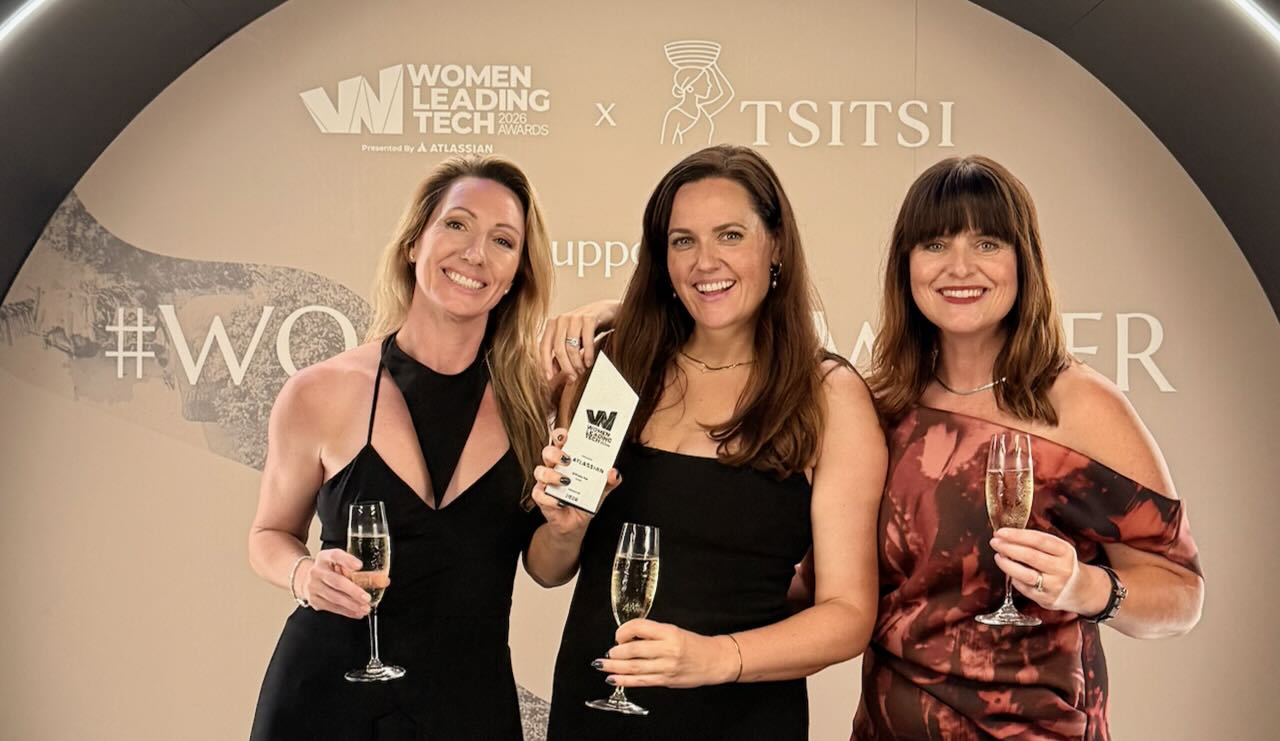
We are beyond proud. Brittany Fox wins the Innovator Award at Women Leading Tech 2026.

What to fix first when everything’s on fire: marketing prioritization
Discover a practical framework for marketing prioritization that helps enterprise teams move from reactive firefighting to structured optimization - linking customer friction to value, effort and measurable outcomes so decisions are clear, defensible and aligned.
Not quite ready to engage but want to stalk us just a little?
Be part of the product community!
What if there was a place where marketers, leaders, agencies and digital teams could talk about the real challenges? Not another Slack group filled with tool promos. Not a webinar where you’re talked at for an hour. But a community built around you.
.png)
Connect with us